
Spotting Real Deals in Retail's Marketing Wars
Deep Dive: Marketing tactics like limited-time offers and flashy discounts can mislead shoppers. This article explains how to read price tags critically, compare competitors, and use price history tools. It also reveals how retailers use scarcity to drive urgency and how to resist these pressures.
Christopher Hebb
4/14/20254 min read
Understanding Retail Marketing Tactics
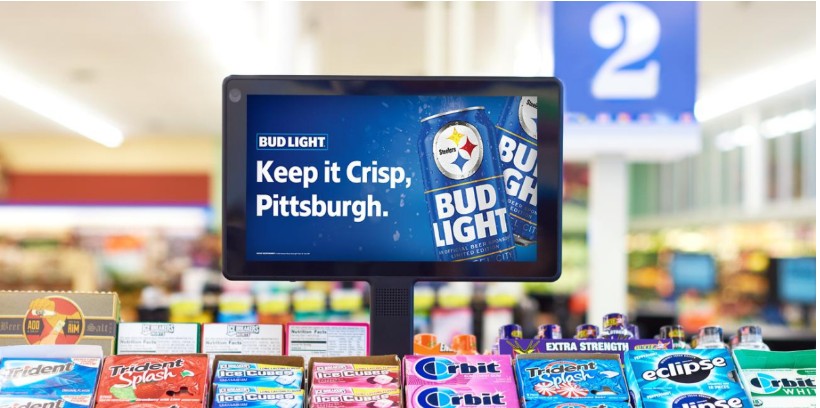
In the competitive landscape of retail, marketing tactics play a crucial role in attracting customers and driving sales. Retailers employ a variety of strategies designed to create urgency and persuade consumers to make purchases. One commonly used tactic is limited-time offers, which instill a sense of urgency among shoppers. By promoting exclusive sales that are available for a short duration, retailers can encourage customers to buy now rather than later, fearing they might miss out on a good deal. This psychological trigger effectively nudges consumers towards impulsive buying decisions.
Another prevalent strategy is the use of flashy discounts. Retailers often advertise substantial price reductions, showcasing “50% off” or “buy one, get one free” promotions. While such offers may create an illusion of substantial savings, it is essential to recognize that the original prices can sometimes be artificially inflated to make the discounts appear more impressive than they truly are. This practice may lead consumers to believe they are getting a better deal, obscuring the actual value of the products being offered. For instance, a retailer might price an item at $100 just to mark it down to $50, which could mislead shoppers regarding the true worth of the item.
Additionally, retailers often utilize promotional strategies such as loyalty programs and flash sales. These initiatives are designed to foster customer loyalty and repeat business. For example, loyalty programs reward customers for their frequent purchases, creating a bond between the consumer and the brand. However, it is crucial for consumers to approach these tactics with caution and be aware of their potential drawbacks. Understanding these marketing gimmicks can empower shoppers to make informed purchasing decisions, avoiding pitfalls that may arise from being swayed by tactics designed more for retailer benefit than for consumer advantage.
Reading and Analyzing Price Tags
In a market saturated with competitive retail pricing, understanding how to read and analyze price tags is crucial for identifying genuine deals. A well-structured price tag not only indicates the cost of a product but also offers insights into its value and comparable products. One of the first things to examine is the pricing structure itself. Retailers often employ strategies such as charm pricing, where prices end with .99 or .95, which can make products appear less expensive, even when the price is comparable to items rounded up to a whole number. Recognizing these techniques can help consumers discern actual savings.
Another important factor to consider is the unit price, which expresses the cost per specified quantity—often found on price tags as a smaller print below the main price. Understanding unit prices allows customers to better compare items of different sizes or quantities. For example, while one brand may sell a smaller bag of chips at a lower total price, the unit price may reveal that a larger bag of the same brand offers greater value overall. Consumers should aim to compare these unit prices across similar products to ensure they are making informed purchasing decisions.
Furthermore, hidden fees can significantly alter the perceived cost of a product. These fees might include additional charges for warranties, handling, or shipping, which are not always prominently displayed. Being aware of such potential extra costs is essential for assessing the true value of a deal. To maximize savings and prevent overspending, shoppers should engage in thorough price comparisons between similar items and read price tags critically. This not only empowers them to recognize real bargains but also encourages smarter consumption practices, leading to better purchasing outcomes.
Utilizing Price History Tools
In today's retail environment, discerning genuine deals from superficial discounts can be a daunting task for consumers. Fortunately, price history tools and apps have emerged as invaluable resources for shoppers aiming to make informed purchasing decisions. These tools track the prices of products over time, allowing users to analyze historical data and observe trends in pricing dynamics.
One of the primary advantages of utilizing price history tools is the ability to determine the average price of a product. By accessing the comprehensive pricing history, shoppers can quickly ascertain whether the current price represents a true discount or simply a marketing gimmick. For instance, platforms like Camel and Honey provide consumers with graphical representations of price changes over specific periods, enabling them to visualize patterns and fluctuations in pricing.
Furthermore, price history tools can highlight seasonal sales and product cycles, which often dictate when items are most likely to be discounted. By recognizing these patterns, consumers can strategically plan their purchases, ensuring they buy items when prices are at their lowest. Additionally, these tools can alert users when prices drop to a desired threshold, allowing them to seize opportunities promptly. This proactive approach not only saves money but also enhances the overall shopping experience through informed decision-making.
The significance of technology in retail cannot be overstated. By leveraging price history tools, shoppers gain access to critical insights that can transform routine purchasing into strategic buying. These apps democratize information, placing power back into the hands of consumers in the marketing wars that characterize modern retail. As savvy shoppers become more familiar with these resources, they will be better equipped to navigate the complexities of retail pricing and identify real deals amidst the noise of promotion and advertising.
Recognizing Scarcity and Urgency Tactics
In the realm of retail marketing, scarcity and urgency tactics are frequently employed to entice consumers and stimulate quick purchasing decisions. Retailers leverage the psychological phenomenon known as the "fear of missing out" (FOMO), which compels customers to act swiftly to secure items that they perceive are in limited availability. For instance, messages such as "only a few left in stock" or "limited-time offer" are commonplace, creating an impression that the opportunity will not last for long, thus encouraging impulsive buying behaviors.
Countdown timers are another popular tool used to instill a sense of urgency. When consumers see a ticking clock alongside a promotional offer, it heightens anxiety around potentially missing a deal, prompting them to complete their purchase without critically assessing their actual need for the item. This sense of urgency can overshadow rational thinking, leading individuals to make decisions driven more by emotion than by necessity.
To combat these marketing pressures, it is essential for consumers to cultivate mindful shopping habits. One effective strategy is to establish a personal shopping list that clearly outlines items deemed necessary, shielding buyers from opportunistic temptations. Additionally, taking a moment to pause before finalizing a purchase can prove beneficial; this pause allows individuals to reflect on whether the product serves a practical purpose in their lives or if the decision is simply influenced by marketing pressure.
Educating oneself about these retail tactics is vital. By recognizing the signs of scarcity and urgency, shoppers can better navigate their purchasing decisions, maintaining control over their spending habits. Ultimately, fostering awareness around these psychological strategies not only empowers consumers but also promotes healthier, more intentional shopping practices—ensuring that purchases are contemplative rather than impulsive.
© 2024. All rights reserved.
Product Privacy Notice
Thank you for visiting our website! We appreciate your time and interest in exploring our content. Your support means the world to us as we strive to provide valuable insights, resources, and recommendations. We hope you found what you were looking for and look forward to welcoming you back soon. Stay connected and feel free to reach out with any questions, feedback, or suggestions!"ext here...